Linkboost vs Podawaa: Which LinkedIn Growth Tool Wins in 2026?

With LinkedIn approaching 1 billion users and organic reach becoming harder to secure, the right tool can be the difference between viral success and silence. For B2B founders, marketing executives, and thought leaders, the platform has evolved from a digital resume repository into the world's primary engine for business development and brand authority. However, the algorithm has changed drastically. Gone are the days when simple engagement pods could trick the system. Today, authenticity and relevance are the currencies of the realm.
Choosing between engagement tools is risky; pick the wrong one, and you risk your account safety or waste money on empty vanity metrics that fail to convert. The market is flooded with tools promising "viral growth," but few can navigate the sophisticated detection systems LinkedIn has deployed in 2026.
This 2026 Linkboost vs Podawaa comparison breaks down the two leading contenders in the space based on safety, AI capabilities, and actual ROI. We will explore how these platforms have adapted to the modern landscape and help you decide which tool is the strategic partner your personal brand needs to dominate the feed.
The State of LinkedIn Growth in 2026
Before diving into the direct Linkboost vs Podawaa comparison, it is critical to understand the environment in which these tools operate. The LinkedIn of 2026 is vastly different from the platform of the early 2020s.
Why Traditional Engagement Pods Are Evolving
Historically, engagement pods were manual groups—often hosted on Telegram or WhatsApp—where users would trade links and reciprocate likes. This was time-consuming and often resulted in low-quality engagement. As we moved into 2026, the definition of a "pod" shifted. Modern tools automate this process, but the challenge remains: how to make automation look human.
Traditional pods often leave a footprint of "patterned behavior"—the same 50 people liking each other's posts at the exact same time every day. LinkedIn's 2026 algorithm penalizes this heavily. The new generation of growth tools must prioritize randomization and context.
The Impact of AI on LinkedIn's 2026 Algorithm
According to recent data, 27% of consumers now use AI for roughly half of their internet searches, and this behavior extends to social discovery. LinkedIn’s feed is now curated by AI that looks for "dwell time" and "conversation depth."
This means a post with 100 likes and zero comments is flagged as low quality. A post with 100 "Great post!" comments is flagged as potential spam. The algorithm rewards:
- Relevance: Engagement from people in your industry.
- Depth: Comments that spark threads and replies.
- Timing: Engagement that mirrors natural viral curves, not instantaneous spikes.
Safety First: Navigating Stricter Detection Systems
For a B2B SaaS founder or a high-level executive, account safety is non-negotiable. Getting restricted or banned for "artificial amplification" can destroy years of reputation building. In 2026, safety isn't just about limiting the number of likes; it's about the quality of the connection. Tools that do not offer advanced filtering (blocking competitors, ensuring engagement comes from credible accounts) are now considered high-risk liabilities.
Linkboost vs Podawaa: Core Feature Comparison

When conducting a comprehensive Linkboost vs Podawaa comparison, the differences lie in the philosophy of the software. Podawaa is often viewed as the pioneer of the automated pod, while Linkboost has positioned itself as the AI-native evolution designed for the modern algorithm.
Automation Capabilities: Smart vs. Manual
Podawaa largely built its reputation on giving users granular control. You can choose to join "Manual Pods" (where you manually paste links) or "Auto Pods." While this control appeals to some micro-managers, it creates a massive efficiency bottleneck. In 2026, marketing managers do not have time to manually curate every single like. Furthermore, Podawaa’s reliance on the Waalaxy ecosystem can sometimes feel clunky if you aren't using their full suite of tools.
Linkboost, conversely, focuses on "Intelligent Automation." It removes the manual labor of pod management. The platform is designed to be "set and forget" but with higher intelligence. You draft your post, configure your boost settings once, and the AI handles the distribution. Linkboost’s automation is designed to mimic the natural ebb and flow of human activity, ensuring that your engagement doesn't look like a bot farm operation.
AI Integration: Content Boosting and Comment Relevance
This is where the Linkboost vs Podawaa comparison shows the widest gap.
Linkboost utilizes advanced AI to analyze the context of your post. It doesn't just drop generic comments. It aims to generate engagement that is relevant to the topic at hand. More importantly, Linkboost offers Custom Audience Filters. This is a game-changer for B2B professionals. You can filter who engages with your content by:
- Location
- Industry
- Number of connections
For example, if you are a SaaS founder selling to FinTech, having 50 likes from random college students (a common issue with basic pods) hurts your credibility. Linkboost allows you to ensure the engagement comes from relevant profiles, signaling to LinkedIn’s algorithm that you are an authority in your specific niche.
Podawaa offers comment templates and the ability to draft your own comments. While useful, this often leads to the "echo chamber" effect unless the user spends hours writing unique comments for every pod member. While they have introduced "Smart Pods," the granularity of audience targeting found in Linkboost is often superior for users specifically looking to build B2B authority rather than just vanity metrics.
Pod Management: Public vs. Private Communities
Both tools offer the ability to create private pods (for your company or team) and join public pods.
Linkboost shines in its Marketplace and Blocklist features.
- Company Pods: You can easily onboard your sales team to auto-like company posts, ensuring immediate traction.
- Blocklists: This is a critical feature for 2026. You can blacklist specific users or competitors. This ensures you never accidentally endorse a competitor's post, and they never engage with yours. This level of brand safety control is essential for corporate accounts.
Podawaa also allows for private pods, which is a staple feature. However, the user experience in finding high-quality public pods can sometimes be hit-or-miss. Users often find themselves in pods that become inactive or filled with low-quality content, requiring constant monitoring and switching.
Analytics & Reporting: Measuring What Matters
In a Linkboost vs Podawaa comparison, analytics are vital for proving ROI.
Linkboost provides a clean dashboard that separates organic reach from boosted reach. This transparency allows you to see exactly how the boost contributed to the virality of the post. It tracks the "Network Effect"—how many 2nd and 3rd-degree connections saw the post because of the initial boost.
Podawaa provides a "Social Index" which rates the quality of your profile and engagement. While this gamification is interesting, professional users often find Linkboost’s data-centric approach more actionable for reporting to stakeholders.
Safety & Compliance: The 2026 Standard
Safety is the single most important factor in this review. If a tool gets you banned, its features are irrelevant.
How Linkboost Handles Human-Like Behavior Simulation
Linkboost has invested heavily in "Human Behavior Simulation" (HBS). In 2026, LinkedIn looks for metadata associated with automation—perfectly timed intervals, lack of scrolling behavior, and API calls that don't match browser activity.
Linkboost mitigates this by:
- Randomized Delays: Engagement doesn't happen instantly. It trickles in over time, mimicking a post slowly going viral.
- Browser Emulation: The tool interacts with LinkedIn in a way that mirrors a real user on a Chrome browser.
- Daily Limits: Linkboost imposes hard limits on how many actions your account can take, preventing you from accidentally triggering a spam filter.
Podawaa's 'Social Index' vs. Linkboost's Safety Algorithms
Podawaa uses a "Social Index" score to encourage users to behave well. If you engage poorly or spam, your score drops, and you are restricted from certain pods. This is a community-policing model.
While the Social Index is a clever concept, Linkboost relies on algorithmic safety rather than community policing. Linkboost’s system proactively prevents the action from happening if it detects a risk, rather than just punishing the user afterward. For high-value accounts (CEOs, Founders), preventative safety is far superior to reactive punishment.
Risk Assessment for High-Value B2B Accounts
For a Digital Marketing Agency managing multiple client accounts, the risk profile is different.
- Linkboost: Built with agency scaling in mind, isolating accounts to prevent "chain bans" (where one bad account brings down the whole fleet).
- Podawaa: While effective, its deep integration with the Waalaxy extension ecosystem means that if LinkedIn patches a Waalaxy vulnerability, Podawaa users might be collateral damage.
User Experience & Workflow
The best tool is the one you actually use. Complexity is the enemy of consistency.
Interface Comparison
Linkboost features a modern, SaaS-centric dashboard. It feels like a premium marketing tool (think HubSpot or Buffer). The navigation is intuitive: "Boost Post," "Manage Pods," "Analytics." The learning curve is minimal.
Podawaa has a distinct UI that aligns with the "galaxy" theme of its parent company. It is visually unique but can be overwhelming for new users. The distinction between manual pods, auto pods, and the credit system can be confusing for a busy executive who just wants results.
Ease of Setting Up Your First Campaign
With Linkboost:
- Install the extension.
- Write your post on LinkedIn.
- Click the "Boost" button that appears directly in the LinkedIn interface.
- Select your audience filter and number of likes.
- Done.
With Podawaa:
The process is similar, but often involves more decisions regarding which specific pod to utilize for that specific post to ensure you are spending your credits wisely. The "credit" economy in Podawaa adds a layer of mental friction that Linkboost’s subscription model eliminates.
Mobile Accessibility and Extension Performance
Both tools rely heavily on Chrome extensions. However, Linkboost’s extension is noted for being lightweight. In 2026, browser performance matters. Heavier extensions can slow down the LinkedIn feed, causing lag. Linkboost optimizes for speed, ensuring your browsing experience remains smooth while the automation runs in the background.
Pricing & Value for Money

A Linkboost vs Podawaa comparison is incomplete without looking at the bottom line.
Free Trials and Entry-Level Plans
Linkboost offers a highly competitive free tier. You can typically boost up to 3 posts per month for free. This is an excellent "try before you buy" model. It allows you to test the safety and efficacy without a credit card.
Podawaa operates on a "freemium" model based on credits. You earn credits by engaging with others. While technically "free," the cost is your time and your profile's reputation (since you must engage with others to earn credits). If you want to skip the manual engagement, you have to pay.
Enterprise Value: Scaling for Agencies and Teams
For agencies, Linkboost offers robust multi-seat management. You can manage the personal brands of a CEO, CTO, and VP of Sales from a single dashboard. The pricing scales logically with the number of accounts.
Podawaa can get expensive as you scale up to the "Advanced" tiers required to remove manual engagement obligations. For a large sales team, Linkboost often comes out as the more cost-effective solution per seat.
Hidden Costs vs. All-Inclusive Features
The hidden cost of Podawaa is the potential for "bad engagement debt." If you are on a lower tier, you might be forced to like content that is irrelevant to your brand to keep your Social Index up.
Linkboost operates more like a standard SaaS. You pay a fee, you get the service. There is no "engagement debt" to pay off. For professionals, this clean transaction is preferred.
The Verdict: Who is Each Tool For?
After analyzing the features, safety, and 2026 landscape, here is the breakdown of who should choose which tool.
Best for Solopreneurs & Creators
Winner: Linkboost
Creators need their content to pop, but they also need to protect their personal brand. Linkboost’s free tier allows creators to get started, and the paid tiers offer the custom audience filtering necessary to land brand deals. If you are an influencer, you want engagement from brands and agencies, not random bots. Linkboost delivers this.
Best for B2B Sales Teams & Agencies
Winner: Linkboost
The ability to create private company pods and the superior safety protocols make Linkboost the clear choice for teams. Sales professionals cannot afford to have their accounts flagged. Furthermore, the "Auto-Connect" feature helps turn engagement into actual connections and leads, directly impacting the sales pipeline.
Best for Safety-Conscious Executives
Winner: Linkboost
For the CEO whose reputation is the company's reputation, the risk of using a manual pod or a tool with a "credit" system is too high. Linkboost’s "Human Behavior Simulation" provides the necessary insurance policy. It ensures that the growth looks organic, protecting the executive's status as a thought leader.
Best for Waalaxy Power Users
Winner: Podawaa
If your entire lead generation workflow is already built inside Waalaxy (Podawaa’s sister tool), then sticking with Podawaa makes sense for integration purposes. The ecosystem integration is Podawaa’s strongest selling point. However, if you are looking for a standalone best-in-class engagement tool, the integration value diminishes.
Why Linkboost is the 2026 Growth Partner
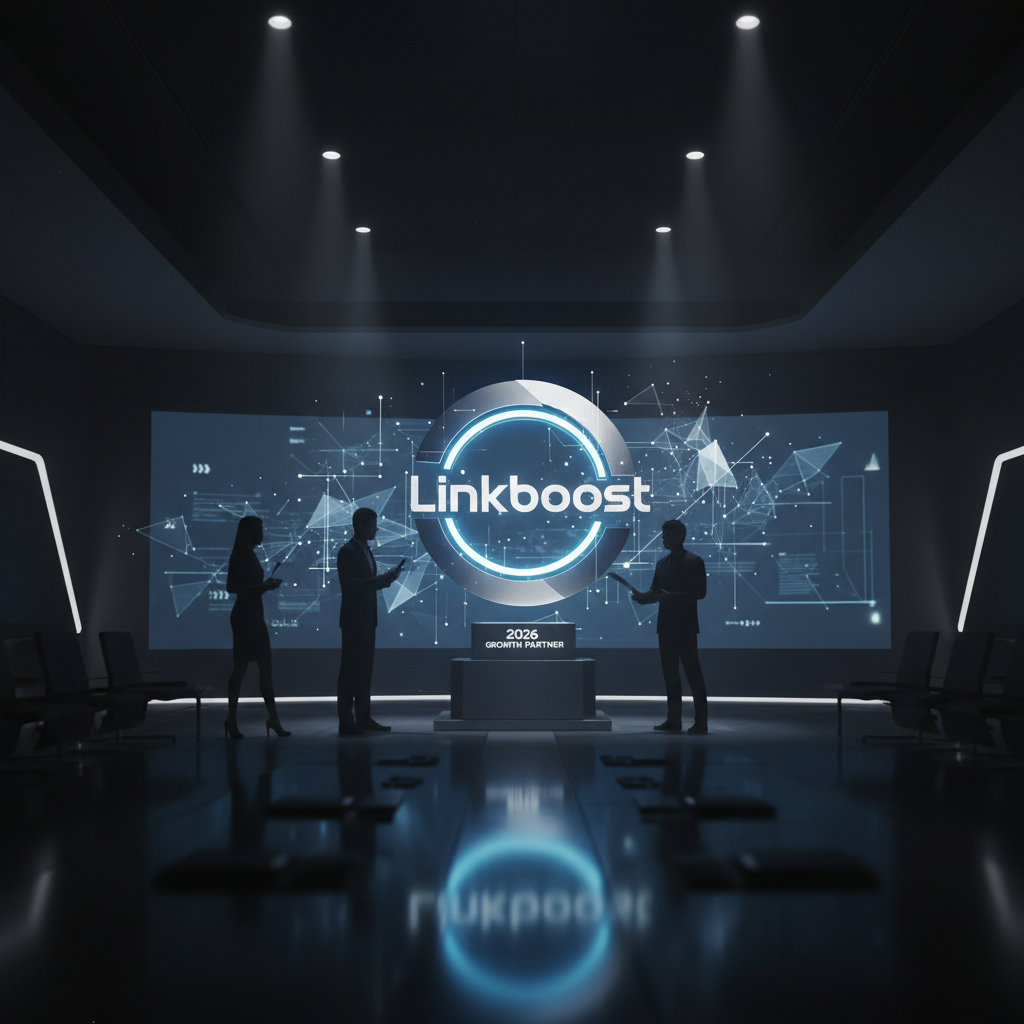
The landscape of LinkedIn marketing has shifted from "growth hacking" to "strategic amplification." The Linkboost vs Podawaa comparison reveals that while Podawaa was a pioneer in the space, Linkboost has refined the model for the modern era.
The Authenticity Gap
In 2026, "fake" looks obvious. A post with 500 likes and zero meaningful comments is a red flag to potential clients. Linkboost’s focus on Custom Audiences bridges the gap between automation and authenticity. By ensuring that a Fintech founder gets likes from other Fintech professionals, the "fake" element disappears. It becomes a simulated networking event rather than a bot farm.
ROI That Goes Beyond Vanity Metrics
Vanity metrics (likes) feed the ego; engagement metrics (comments, profile views) feed the wallet.
Case studies have shown that B2B founders using Linkboost see a correlation between boosted posts and inbound connection requests.
- Standard Post: 1,000 views, 10 likes, 0 leads.
- Linkboost Post: 15,000 views, 200 likes (targeted), 5 inbound leads.
The delta here isn't just the view count; it's the visibility to the right people. Because Linkboost triggers the algorithm to show the post to 2nd and 3rd-degree connections of the engagers, targeting those engagers is the secret weapon.
Conclusion
Navigating the Linkboost vs Podawaa comparison ultimately comes down to your goals for 2026. If you are looking for a legacy tool with manual controls and don't mind the "credit" economy, Podawaa remains a viable option, especially for Waalaxy users.
However, if you are a B2B professional, agency, or creator looking for a safe, AI-driven solution that prioritizes audience quality over mere quantity, Linkboost is the superior choice. Its advanced safety protocols, custom audience filtering, and "set and forget" automation align perfectly with the demands of the 2026 LinkedIn algorithm.
Don't let your high-quality content die in the feed. In an era where attention is the most valuable asset, you need a partner that amplifies your voice without compromising your integrity.
Key Takeaways:
- Safety: Linkboost’s Human Behavior Simulation offers better protection against 2026 detection algorithms.
- Relevance: Linkboost’s Custom Audience feature ensures engagement comes from your target industry, not random accounts.
- Efficiency: Linkboost eliminates the "engagement debt" of credit-based systems, saving you hours of manual work.
- Value: With a generous free tier and scalable agency plans, Linkboost offers better ROI for serious professionals.
Ready to 10x your reach safely? Stop shouting into the void and start building a viral presence that converts. Start your free trial with Linkboost today and experience the next generation of LinkedIn growth. Your future leads are waiting.